I am planning for a number talk tomorrow with a 1st grade class. I have been playing around with two different problem strings that I would love feedback on, because I can’t make a decision!
I would particularly like feedback on:
- What could we learn about student thinking?
- What would you be curious to find our about their thinking at the end?
- Do you think one would be better before the other or doesn’t it matter?
Here are the two I am playing around with (sorry, I had them written on Post-its):

My thoughts:
- 1st problem – Do they add to 10 and then add on? For example, 8+2=10 and since 12 is 2 more the answer is 4 or do they subtract 8 from 12?
- 2nd problem – How do they do with the missing number on the right side of the equation? Do they visualize a 10 frame, taking 4 off of the bottom row to leave 5? Do they add 5 and 4?
- 3rd problem – Do they decompose the 5 into 4+1 to use the 1 with the 9? Do they count on from 9?
Prompt at the end – How are these problems different? Which was your favorite to do? Why?
Second option:

My thoughts:
- 1st problem: Set the stage for expressions on both sides of equal sign. Notice you can’t add more to the same number and stay equal. Did we need to solve both sides to know that?
- 2nd problem: Both equal 10 but did we need to solve both sides to know it is equal? Take one from one addend and add it to the other and still remain equal.
- 3rd problem: Commutative property.
- 4th problem: Now that I just wrote the commutative for problem 3, I want to switch the 8+5 on this one to 5+8 so that they might also think about taking 2 from one addend and adding it to the other.
Prompt at the end: Write two of your own equations that would fit something you noticed in our problems today. (wording is rough on that one).
Chances are I will have the opportunity to do both of them and I think they both hit on different, interesting things. I would love feedback on both and know if you think one is better before the other or if it doesn’t matter?


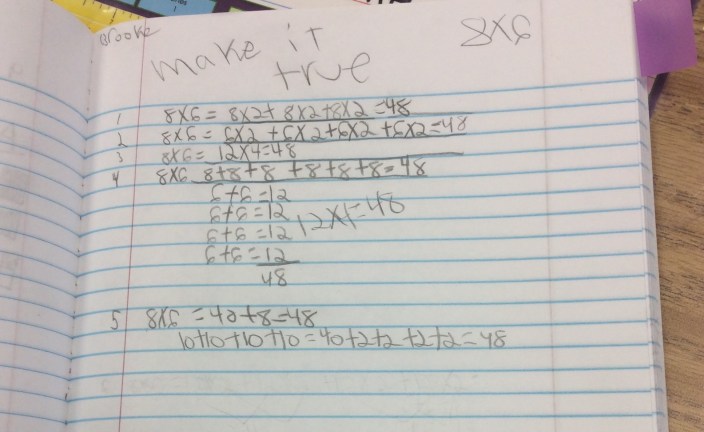
















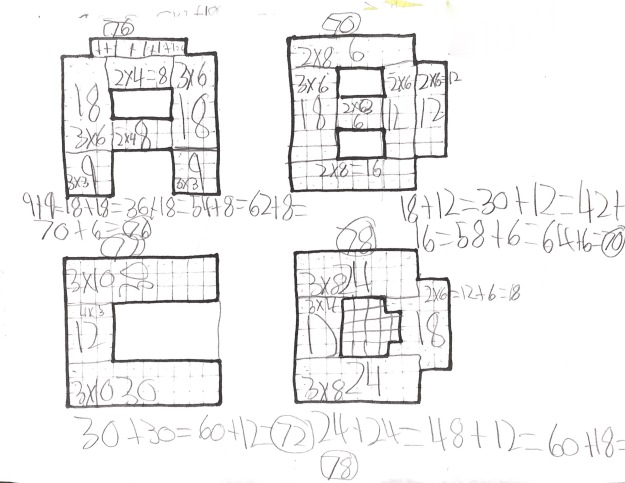
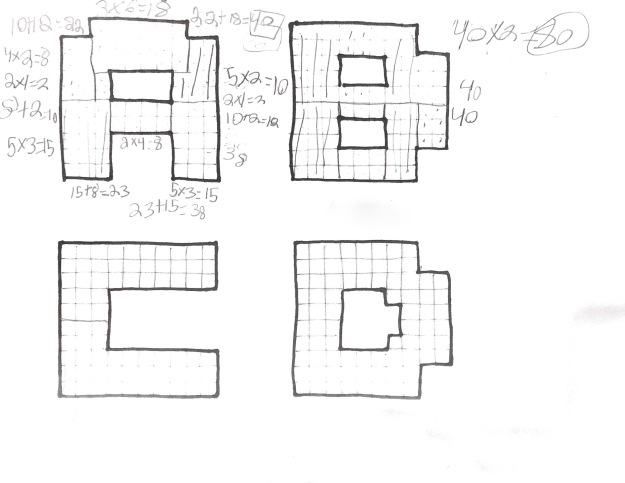
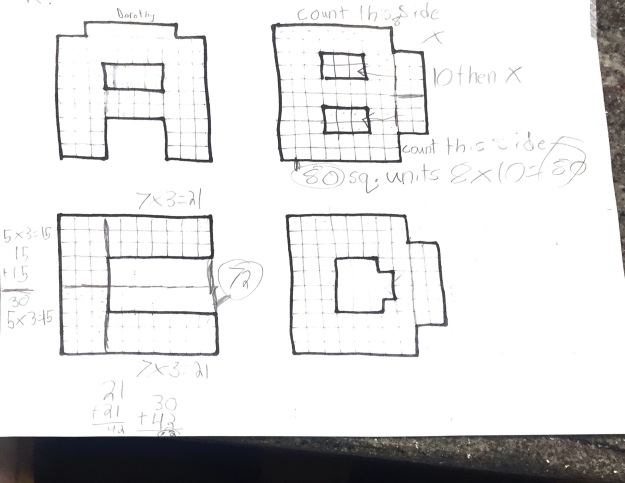
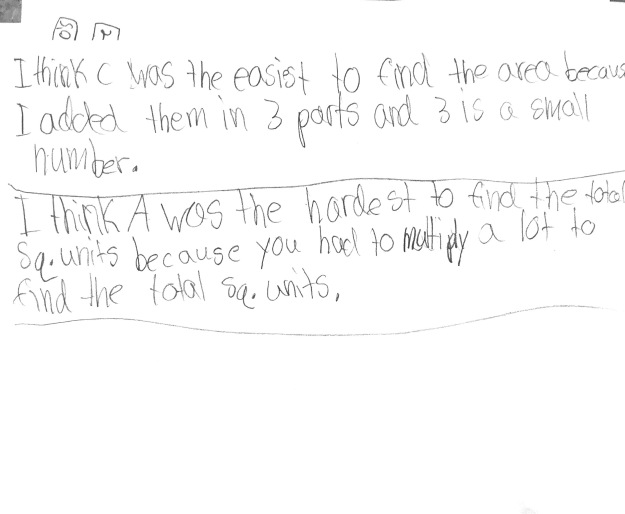
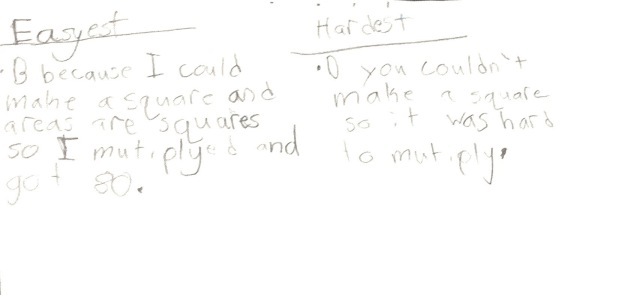
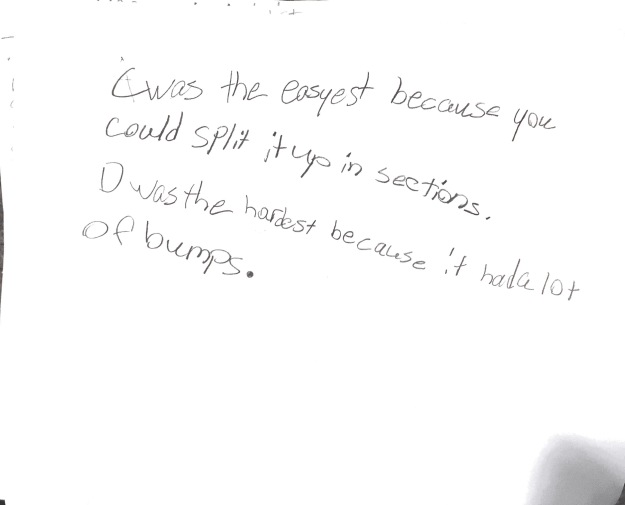
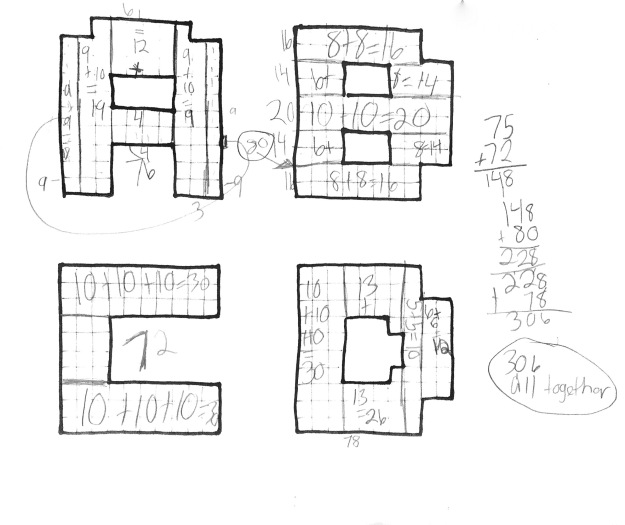 From there, some used a mix of addition and multiplication. I would love to ask these students how they decided where to make their cuts.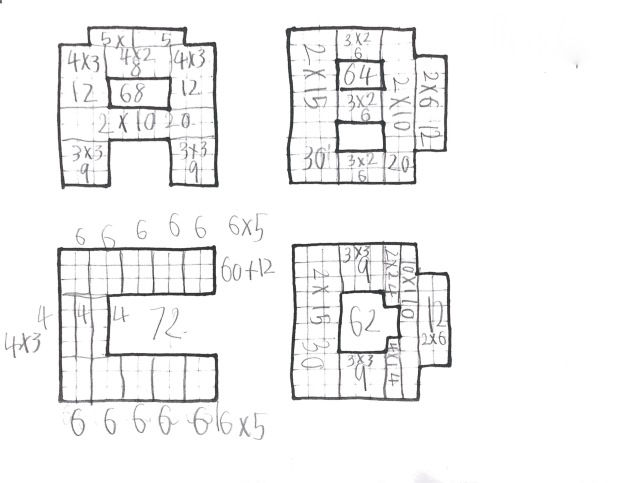

 MathMinds